The historical evolution of gambling A journey through time and chance
The Origins of Gambling
The concept of gambling can be traced back thousands of years, with its roots embedded in ancient civilizations. Archaeological findings reveal that games of chance, using dice made from bones and stones, were played in Mesopotamia around 3000 BC. These early forms of gambling often involved betting on the outcome of events, showcasing humanity’s innate desire to test fate and fortune. In New Zealand, enthusiasts can enjoy pokies online nz in a variety of formats, providing a modern twist to this age-old practice.
The Middle Ages and the Rise of Gaming Houses
During the Middle Ages, gambling became more structured, and dedicated establishments known as gaming houses began to emerge. These establishments catered to the growing demand for games of chance, and various card games gained popularity across Europe. In Italy, the game of Tarocchi laid the foundation for many modern card games, while in France, the game of Poque paved the way for the familiar poker game we know today.
As gambling became more mainstream, it also faced scrutiny. The church often condemned gambling, associating it with moral decay. However, this disapproval did not deter enthusiasts, and by the 18th century, formal gambling houses were established, offering a variety of games to a burgeoning class of gamblers.
The Birth of Modern Casinos
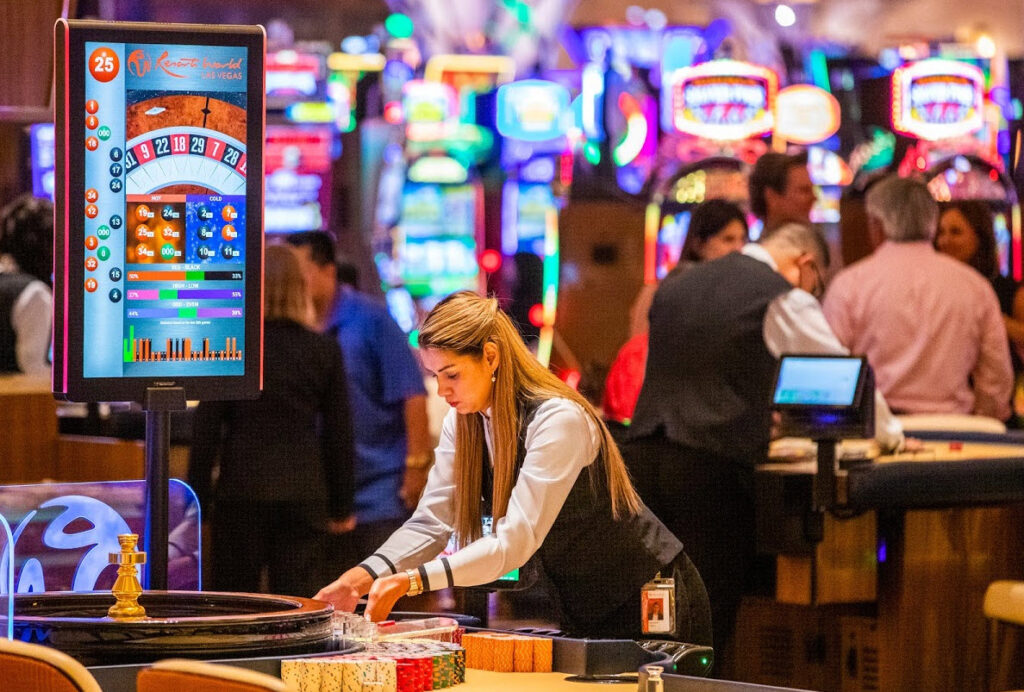
The 19th century marked a significant turning point in the history of gambling, as the modern casino began to take shape. The first official casino, the Casino di Venezia, opened its doors in Italy in 1638, but it wasn’t until the 1800s that casinos gained widespread popularity, particularly in places like Monte Carlo. This era saw the introduction of iconic games such as roulette and baccarat, which became staples in gambling culture.
The establishment of casinos not only transformed the gambling landscape but also introduced the concept of regulated gaming. Governments began to recognize the potential economic benefits of legalized gambling, leading to the expansion of casinos across Europe and the United States. This marked the beginning of a new chapter in gambling history, where the blend of entertainment and economic opportunity became undeniable.
The Digital Revolution in Gambling
The advent of the internet in the late 20th century revolutionized the gambling industry, bringing it into the digital age. Online casinos emerged in the mid-1990s, allowing players to engage in their favorite games from the comfort of their homes. This shift not only broadened the accessibility of gambling but also introduced a plethora of new gaming options, including online slots and live dealer games.
The rise of mobile technology further propelled online gambling, leading to the development of apps and mobile-friendly platforms that catered to on-the-go players. Online casinos quickly adapted to this change by offering enticing bonuses and promotions, enhancing the user experience and ensuring a competitive market. As a result, the digital landscape of gambling continues to grow and evolve, offering endless possibilities for players worldwide.

Discovering the Future of Gambling
As we move forward, the future of gambling looks promising, with advancements in technology such as virtual reality and blockchain set to change the way we play. Online casinos are continually innovating, ensuring that players have access to exciting new features and secure transactions. Responsible gambling practices are also gaining importance, with more platforms prioritizing player safety and well-being.
In this ever-evolving landscape, players can find a wealth of opportunities to engage in responsible gambling while enjoying their favorite games. As you explore the thrilling world of gambling, remember to choose platforms that prioritize safety, transparency, and customer support, ensuring an enjoyable experience throughout your journey.
“`